Every four years, the FIFA World Cup captures the attention of billions of fans worldwide. From dramatic goals and historic upsets to unforgettable moments of national pride, the tournament brings together the best footballing nations on the planet.
Since its debut in 1930, the FIFA World Cup has grown into the most prestigious competition in international football and one of the world’s most-watched sporting events. But what makes this tournament so special?
Let’s explore the history, format, and lasting legacy of football’s greatest stage.
What Is the FIFA World Cup?
The FIFA World Cup is an international football tournament organized by FIFA (Fédération Internationale de Football Association), the governing body of world football. The competition brings together national teams from around the globe to compete for the sport’s most coveted trophy.
Held every four years, the tournament determines the world champion of men’s international football. Unlike club competitions, where players represent professional teams, the World Cup allows players to represent their countries, adding an extra layer of pride and significance to every match.
The competition has grown significantly since its first edition. What began as a small tournament featuring only 13 teams has evolved into a global event involving dozens of nations and billions of fans worldwide.
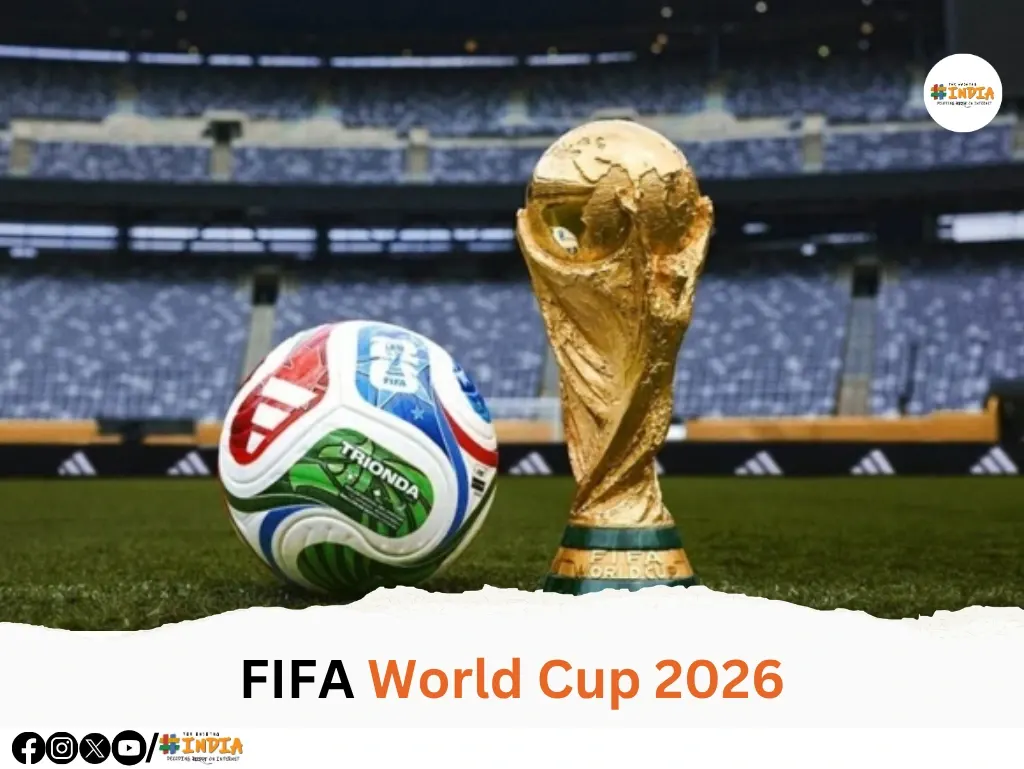
FIFA World Cup Timeline: Key Moments in Tournament History
FIFA World Cup History
From a modest 13-team tournament to a global spectacle, discover the definitive milestones that shaped the beautiful game.
The Birth of the World Cup
Uruguay hosts the inaugural tournament and defeats Argentina 4-2 to claim the first world title.
Italy’s Maiden Title
Italy dominates on home soil to win its first World Cup crown.
The First Title Defense
Italy makes history by becoming the first nation to win consecutive tournaments.
Wartime Suspension
Tournaments in 1942 and 1946 are cancelled due to World War II.
The “Maracanazo” Shock
Uruguay stuns host nation Brazil in Rio to secure their second trophy.
The Arrival of Pelé
A 17-year-old Pelé inspires Brazil to its first World Cup crown, launching an era of dominance.
Football Comes Home
England wins its first and only title on home soil, famously aided by a trophy-finding dog named Pickles.
Pelé’s Golden Legacy
Brazil wins its third World Cup, permanently keeping the original Jules Rimet Trophy.
The Modern Trophy Debut
West Germany wins the tournament as the current FIFA World Cup Trophy makes its official debut.
Expansion to 24 Teams
The tournament scales up from 16 to 24 teams to match football’s growing global reach.
Maradona’s Masterclass
Diego Maradona delivers iconic individual performances to guide Argentina to ultimate victory in Mexico.
The 32-Team Format
France wins its maiden title at home as the tournament expands to include 32 nations.
Asia Hosts the World
Japan and South Korea co-host the first World Cup held outside the Americas and Europe.
Historic African Debut
South Africa makes history as the first African nation to host the prestigious tournament.
European Glory in the Americas
Germany defeats Argentina to become the first European team to lift the trophy on American soil.
France Earns Second Star
A powerhouse French squad dominates in Russia to claim their second World Cup victory.
Messi’s Crowning Moment
Argentina secures its third title after a thriller final against France, cementing Lionel Messi’s legacy.
The 48-Team Era
The largest World Cup in history kicks off across Canada, Mexico, and the USA with an expanded 48-team field.
| Year | Milestone |
| 1930 | The inaugural FIFA World Cup is held in Uruguay. The host nation defeats Argentina 4-2 in the final to become the first world champion. |
| 1934 | Italy hosts the tournament for the first time and wins its maiden World Cup title. |
| 1938 | Italy successfully defends its crown, becoming the first nation to win consecutive World Cups. |
| 1942 & 1946 | The World Cup is suspended due to World War II. |
| 1950 | The tournament returns in Brazil. Uruguay shocks the hosts in the famous “Maracanazo” to claim their second title. |
| 1958 | A 17-year-old Pelé helps Brazil win its first World Cup, beginning a new era of football dominance. |
| 1966 | England hosts and wins its only FIFA World Cup title. The tournament is also remembered for the theft and recovery of the Jules Rimet Trophy by a dog named Pickles. |
| 1970 | Brazil wins its third World Cup, allowing the nation to permanently keep the Jules Rimet Trophy. Pelé becomes the only player to win three World Cups. |
| 1974 | West Germany wins on home soil. The modern FIFA World Cup Trophy is introduced, replacing the Jules Rimet Trophy. |
| 1982 | The tournament expands from 16 to 24 teams, reflecting football’s growing global popularity. |
| 1986 | Diego Maradona inspires Argentina to victory in Mexico, producing some of the most iconic moments in World Cup history. |
| 1998 | France hosts and wins its first World Cup. The tournament expands to 32 teams. |
| 2002 | The World Cup is co-hosted by Japan and South Korea, marking the first tournament held in Asia and the first with multiple hosts. |
| 2010 | South Africa becomes the first African nation to host the FIFA World Cup. |
| 2014 | Germany defeats Argentina in the final and becomes the first European team to win a World Cup held in the Americas. |
| 2018 | France claims its second World Cup title in Russia. |
| 2022 | Argentina wins its third World Cup after a dramatic final against France, with Lionel Messi lifting the trophy for the first time. |
| 2026 | The FIFA World Cup expands to 48 teams and is hosted jointly by Canada, Mexico, and the United States, making it the largest tournament in history. |
How Teams Qualify for the World Cup
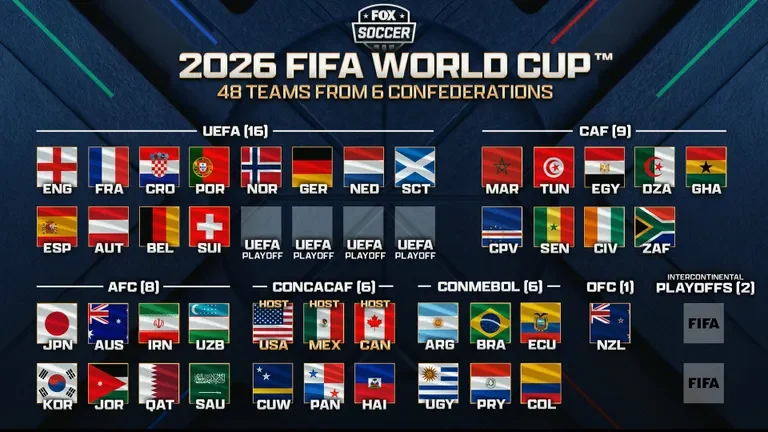
National teams must first navigate a lengthy qualification process that often spans several years. FIFA’s member associations are divided into six continental confederations:
- AFC (Asia)
- CAF (Africa)
- CONCACAF (North and Central America)
- CONMEBOL (South America)
- OFC (Oceania)
- UEFA (Europe)
Teams compete against nations within their confederations for a limited number of qualification spots. Some regions receive more places than others due to the strength and size of their football programs.
The qualification process is often just as intense as the tournament itself. Many traditional football powers have failed to qualify in the past, proving that reaching the World Cup is never guaranteed.
For smaller nations, qualification can be a historic achievement that inspires an entire generation of football fans.
How the FIFA World Cup Format Works
The tournament format has evolved several times throughout history.
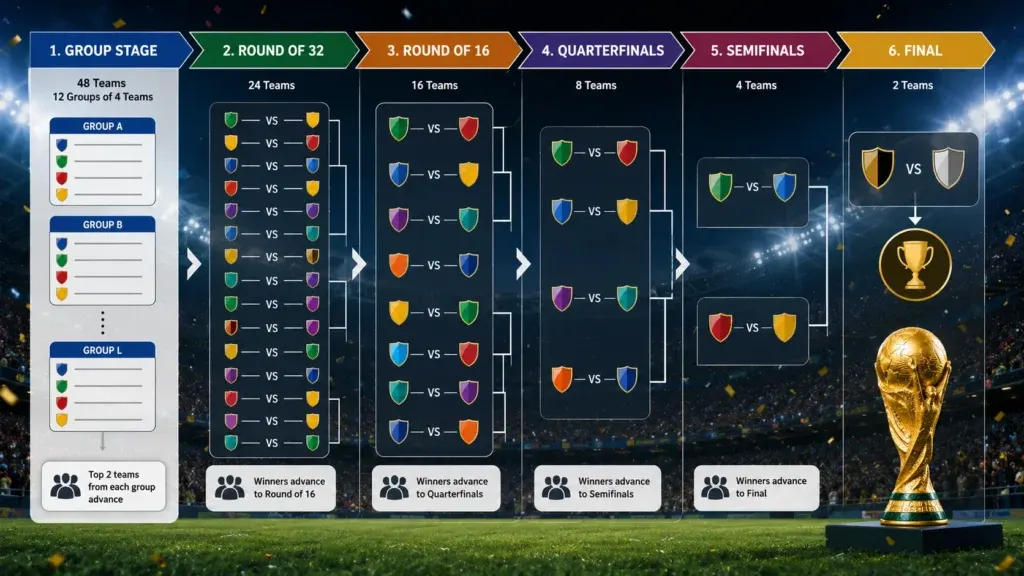
For the 2026 FIFA World Cup, the competition expands to 48 teams, making it the largest World Cup ever held.
The teams are divided into 12 groups of four. During the group stage, each team plays three matches against its group opponents.
Points are awarded as follows:
- Win: 3 points
- Draw: 1 point
- Loss: 0 points
The top two teams from each group automatically advance to the knockout stage. The eight best third-placed teams also progress, creating a 32-team knockout bracket.
Once the knockout rounds begin, every match becomes a do-or-die encounter. Teams must win to advance.
- If a knockout match ends level after 90 minutes, extra time is played.
- If the score remains tied, the winner is determined through a penalty shootout.
The tournament progresses through:
- Round of 32
- Round of 16
- Quarter-finals
- Semi-finals
- Final
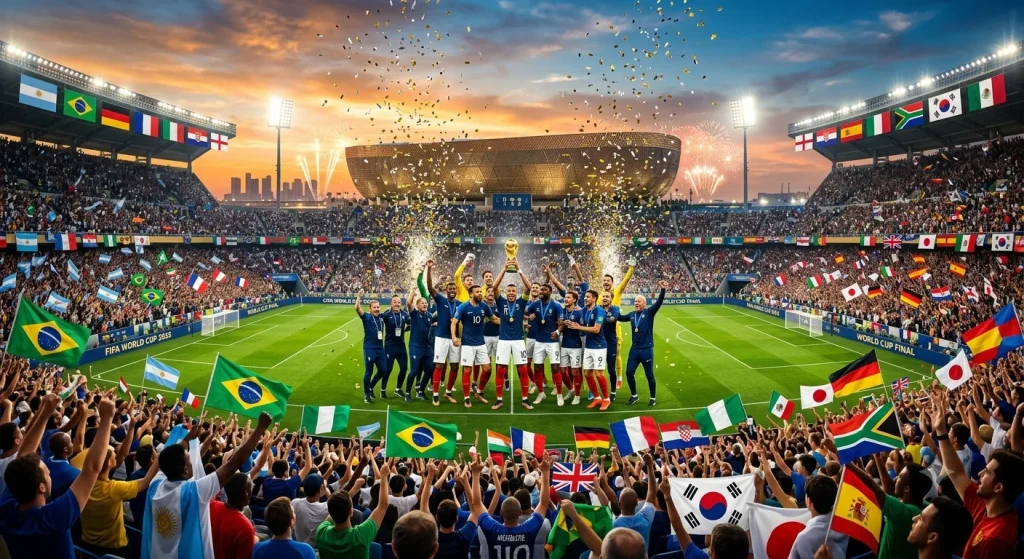
Why Is the FIFA World Cup So Special?
Many football competitions exist around the world, but none can match the prestige and global influence of the FIFA World Cup. More than just a tournament, it is a celebration of national pride, elite competition, and global unity.
One of the main reasons the World Cup is so prestigious is its rarity. Unlike domestic leagues that take place every year, the FIFA World Cup is held only once every four years. This gives players limited opportunities to compete for football’s most coveted trophy, making every tournament incredibly significant.
Another factor is national representation. Instead of playing for professional clubs, footballers represent their countries on the world’s biggest stage. Every goal, save, and victory carries the hopes of millions of supporters, creating an atmosphere that few sporting events can replicate.
What also sets the World Cup apart is the level of competition. The tournament brings together the strongest national teams and the world’s best players, producing unforgettable matches and legendary performances. For many football icons, winning the World Cup is the ultimate achievement of their careers.
Key reasons why the FIFA World Cup stands above other tournaments include:
- Held only once every four years
- Features the world’s top national teams
- Represents national pride and identity
- Attracts billions of viewers worldwide
- Creates unforgettable sporting moments
- Helps define the legacy of football legends
The World Cup’s Global Impact
The FIFA World Cup’s impact extends far beyond the game itself:
- Strengthens national pride and international recognition
- Boosts tourism and local economies
- Encourages investment in stadiums and public infrastructure
- Creates jobs and business opportunities
- Showcases the host nation to a global audience
- Brings together fans from different cultures and backgrounds
- Inspires future generations of football players
With billions tuning in from every corner of the globe, the FIFA World Cup remains one of the most-watched sporting events in history.
Its unique blend of passion, competition, and cultural significance is what makes it football’s greatest tournament.
The Most Successful Nations in World Cup History
Several countries have established themselves as football powerhouses through consistent World Cup success.
| Country | Titles Won | Championship Years | Notable World Cup Achievement |
|---|---|---|---|
| Brazil | 5 | 1958, 1962, 1970, 1994, 2002 | The most successful nation in World Cup history and home to legends such as Pelé and Ronaldo. |
| Germany | 4 | 1954, 1974, 1990, 2014 | Known for consistency, Germany has reached multiple finals and remains one of football’s strongest nations. |
| Italy | 4 | 1934, 1938, 1982, 2006 | Famous for tactical excellence and becoming the first nation to win back-to-back World Cups. |
| Argentina | 3 | 1978, 1986, 2022 | Produced iconic players such as Diego Maradona and Lionel Messi while delivering some of the tournament’s most memorable moments. |
| Uruguay | 2 | 1930, 1950 | Won the inaugural World Cup in 1930 and famously upset Brazil in the 1950 final. |
| France | 2 | 1998, 2018 | Won its first title on home soil and has become one of the modern era’s most successful national teams. |
| England | 1 | 1966 | Claimed its only World Cup title as host nation in 1966. |
| Spain | 1 | 2010 | Captured its first World Cup title during a golden era of Spanish football. |
Quick Facts
| Record | Nation |
|---|---|
| Most World Cup Titles | Brazil (5) |
| Most Recent Champion | Argentina (2022) |
| First World Cup Winner | Uruguay (1930) |
| Most Titles in Europe | Germany & Italy (4 each) |
| Most Successful South American Nation | Brazil (5) |
Legendary Players Who Defined the World Cup
The FIFA World Cup has produced some of football’s greatest icons.
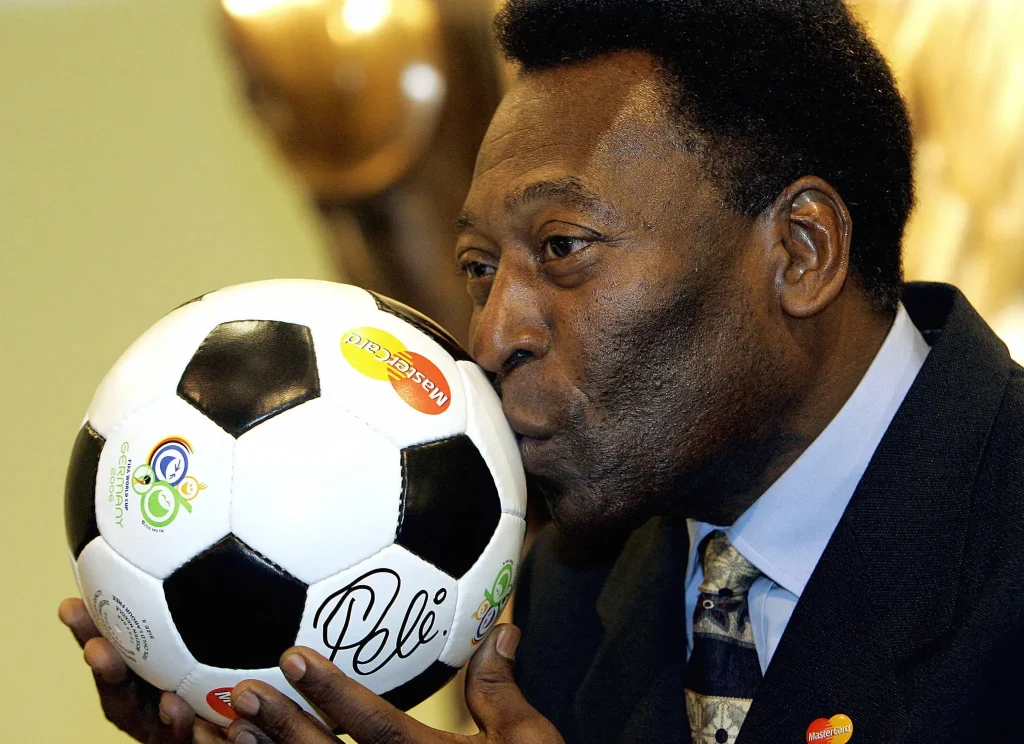
Pelé
Often regarded as one of the greatest footballers ever, Pelé remains the only player to win three FIFA World Cup titles. His success helped establish Brazil as a footballing superpower.
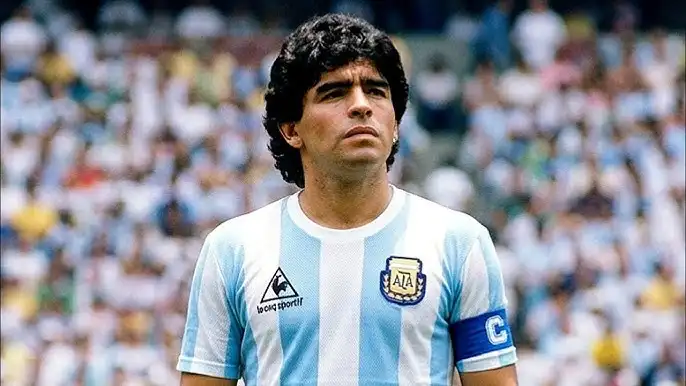
Diego Maradona
Maradona’s performances during the 1986 World Cup remain among the most famous in football history. He led Argentina to the title while producing several unforgettable moments.
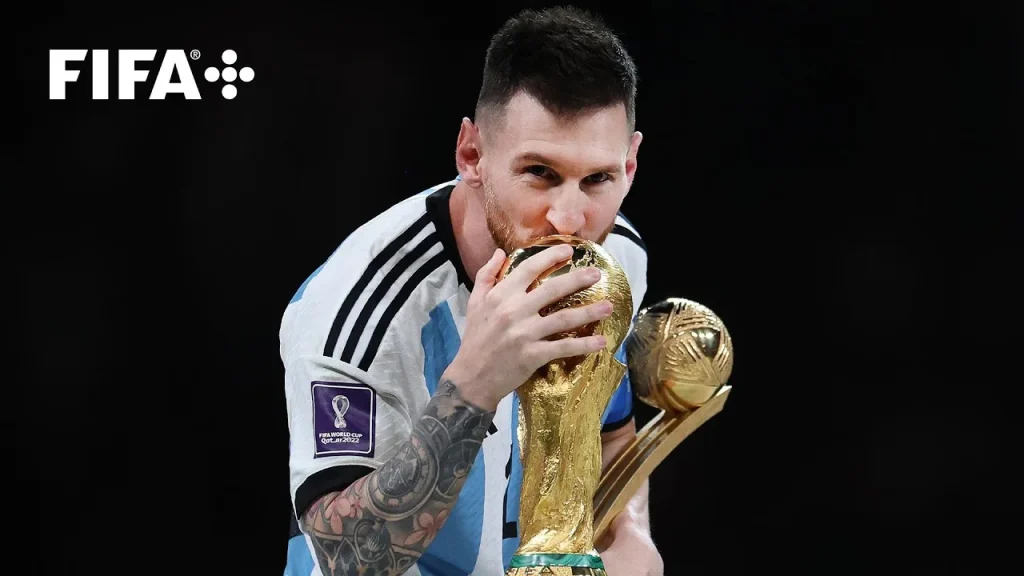
Lionel Messi
After an extraordinary career filled with individual and club achievements, Messi finally lifted the FIFA World Cup trophy in 2022, completing one of football’s greatest legacies.
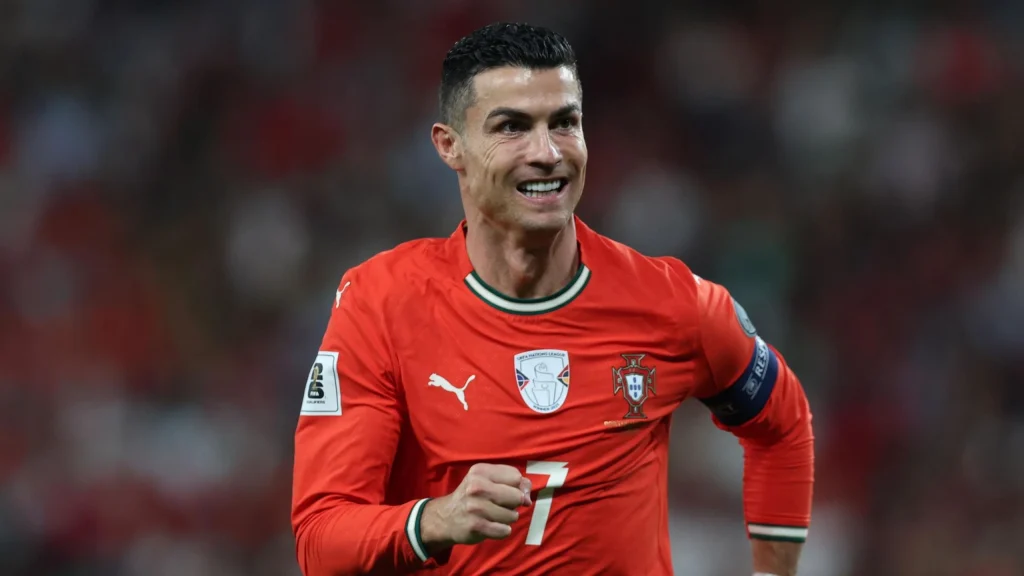
Cristiano Ronaldo
Although Ronaldo has enjoyed tremendous international success, the World Cup remains one of football’s most challenging prizes. His appearances have consistently attracted global attention.
Miroslav Klose
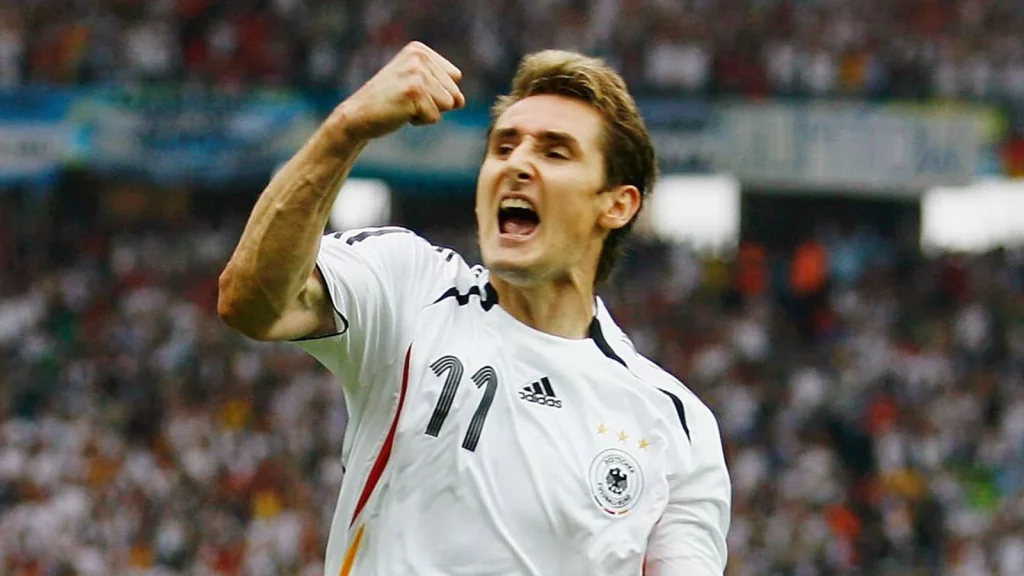
Germany’s Miroslav Klose holds the record for the most goals scored in FIFA World Cup history, highlighting his remarkable consistency on football’s biggest stage.
World Cup Awards and Individual Honors
While winning the trophy remains the ultimate objective, several prestigious individual awards are also presented during the tournament.
| Award | Purpose | Given To |
|---|---|---|
| Golden Ball | Recognizes the best overall player of the tournament | Outstanding player who has the greatest impact throughout the World Cup |
| Golden Boot | Honors the tournament’s top goalscorer | Player who scores the most goals |
| Golden Glove | Rewards excellence in goalkeeping | Best goalkeeper of the tournament |
| Best Young Player Award | Celebrates emerging talent | Most impressive player aged 21 or younger |
| FIFA Fair Play Award | Promotes sportsmanship and respect | Team with the best disciplinary and fair play record |
These honors celebrate individual excellence while highlighting the extraordinary performances that define each World Cup.
What These Awards Represent
| Award Category | Highlights |
|---|---|
| Individual Excellence | Golden Ball, Golden Boot, and Golden Glove recognize standout performances. |
| Rising Stars | Best Young Player showcases football’s next generation of talent. |
| Sportsmanship | FIFA Fair Play Award rewards respect, discipline, and positive conduct. |
| Tournament Legacy | Winning one of these awards often cements a player’s place in World Cup history. |
Watch Live Sports Anytime, Anywhere!
Dubai 7 gives sports fans access to a variety of sports rooms and online platforms, making it easy to follow the action you love. From football and cricket to basketball and tennis, there's always something exciting to watch.
Members can stay updated with live matches, upcoming fixtures, and major sporting events from around the world. Dubai 7 also offers regular promotions and exclusive rewards, providing even more value while enjoying your favorite sports.
FIFA World Cup FAQs
FIFA World Cup FAQs
Quick answers to the most frequently asked questions about tournament structure, history, and records.
How often is the FIFA World Cup held?
The FIFA World Cup is held every four years.
Who organizes the FIFA World Cup?
The tournament is organized by FIFA, football's global governing body.
Which country has won the most FIFA World Cup titles?
Brazil holds the absolute record with five World Cup titles.
How many teams compete in the FIFA World Cup?
The 2026 FIFA World Cup features an expanded field of 48 national teams.
What happens if a knockout match ends in a draw?
The match goes to extra time and, if still tied, is decided by a penalty shootout.
What is the FIFA World Cup Trophy made of?
The current trophy is made primarily of solid 18-carat gold.
Has the World Cup always used the same trophy?
No. The Jules Rimet Trophy was awarded until 1970 before being permanently replaced by the current FIFA World Cup Trophy design.
Who has scored the most goals in World Cup history?
Germany's Miroslav Klose holds the all-time tournament record with 16 goals.
Why is hosting the FIFA World Cup important?
Hosting can significantly boost tourism, infrastructure development, and provide massive global exposure for the host nation.
Why is winning the FIFA World Cup so prestigious?
It is football's ultimate international tournament, representing the highest honor and achievement in global sport.