Ludo is a classic board game that combines luck, strategy, and competition. Originating from the ancient Indian game Pachisi, it has remained popular for generations and is now widely played both offline and online.
In this guide, you’ll learn how to play Ludo, understand the rules, explore useful strategies, and discover tips that can help improve your gameplay.
What Is Ludo and Where Did It Come From?
Ludo is a classic board game played by two to four players, where the goal is to move all four tokens to the home area before your opponents. The game combines luck from dice rolls with strategic decision-making.
Ludo originated from the ancient Indian game Pachisi and was later adapted into its modern form during the British colonial era. Today, it remains popular worldwide in both traditional and online formats.
Why Ludo Remains Popular
Ludo has remained a favorite for generations thanks to its simple gameplay and broad appeal. The game is easy to learn, quick to set up, and suitable for players of all ages.
Despite being centuries old, Ludo continues to attract millions of players worldwide.
Several factors contribute to its lasting popularity:
- Easy-to-learn rules
- Quick game setup
- Suitable for players of all ages
- A balanced mix of luck and strategy
- Competitive yet social gameplay
- Availability on both physical and digital platforms
Unlike many complex board games, Ludo can be learned within minutes, making it an excellent choice for casual players and beginners.
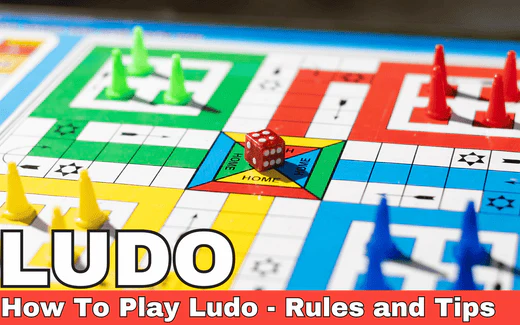
Understanding the Ludo Board
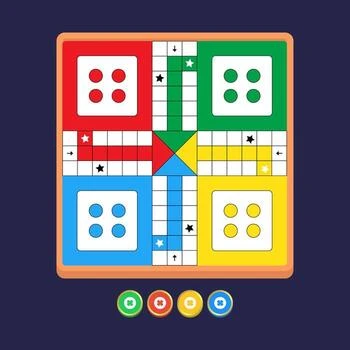
Before learning the rules, it’s important to understand the different sections of a standard Ludo board.
Ludo Board
| Board Section | Description |
|---|---|
| Player Bases | The starting area where each player keeps their four tokens before they enter the board. |
| Starting Squares | The designated entry squares where tokens are placed after rolling a 6. |
| Main Track | The shared pathway around the board that all tokens must travel before heading home. |
| Home Path | A colored lane leading to the center of the board. Only the matching player’s tokens can enter this path. |
| Home Space | The final destination at the center of the board where all four tokens must reach to win. |
Objective of the Game
The objective of Ludo is straightforward: move all four of your tokens from the starting area, around the board, and into the home space before your opponents do.
The first player to successfully bring all four tokens home wins the game.
How to Set Up a Ludo Game
Setting up a Ludo game takes only a few moments:
- Place the board on a flat surface.
- Each player selects a color.
- Place all four tokens in the matching base area.
- Decide who goes first by rolling the die.
- The player with the highest roll begins, and play continues clockwise.
Once the setup is complete, the game can begin.
How to Play Ludo: Step-by-Step
Step 1: Entering the Board
- A token cannot leave the starting yard immediately.
- To bring a token into play, a player must roll a 6.
- After rolling a 6, the player places one token onto the designated starting square.

Step 2: Moving Tokens
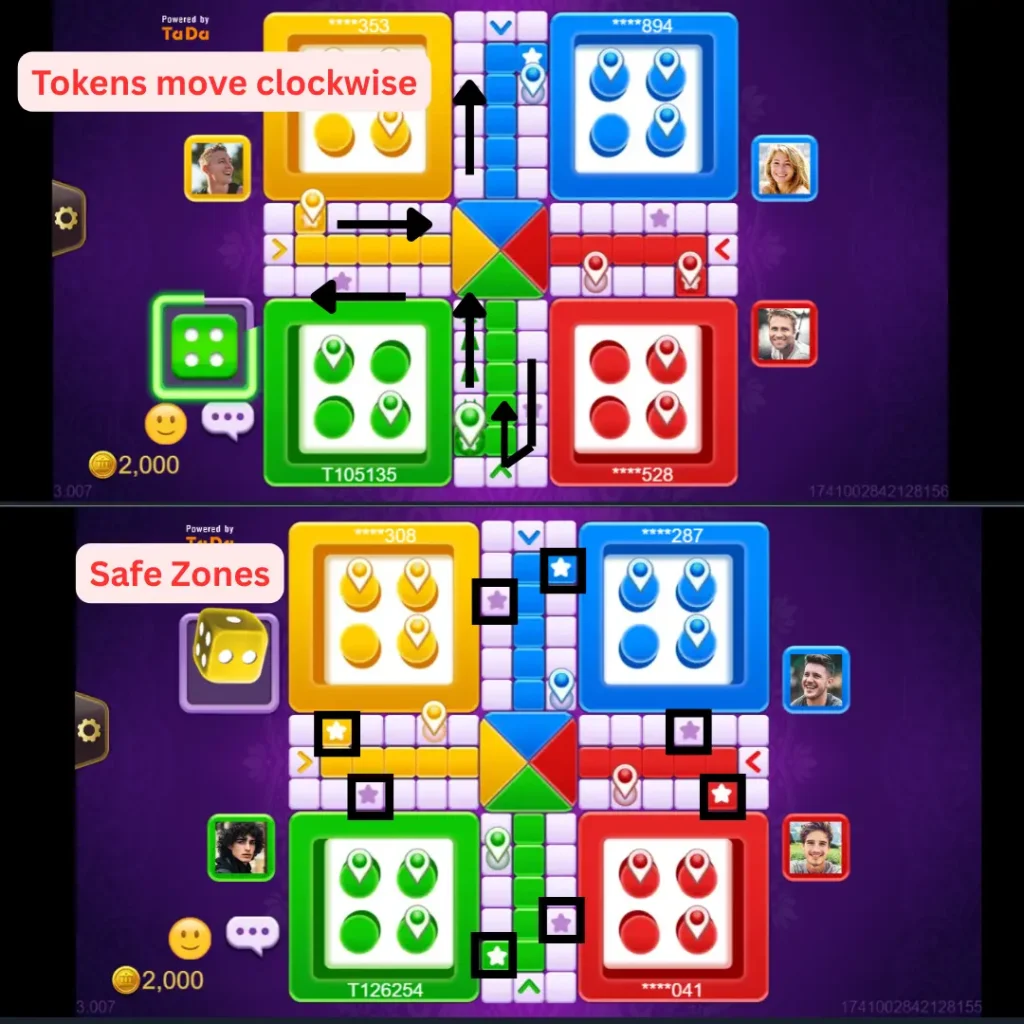
- After a token enters the board, it moves clockwise around the track.
- The number rolled on the die determines exactly how many spaces the token moves.
- If multiple tokens are active, the player may choose which token to move.
Step 3: Rolling a Six
Rolling a 6 offers special advantages.
Players may:
- Bring a new token into play
- Move an existing token
- Receive an additional turn
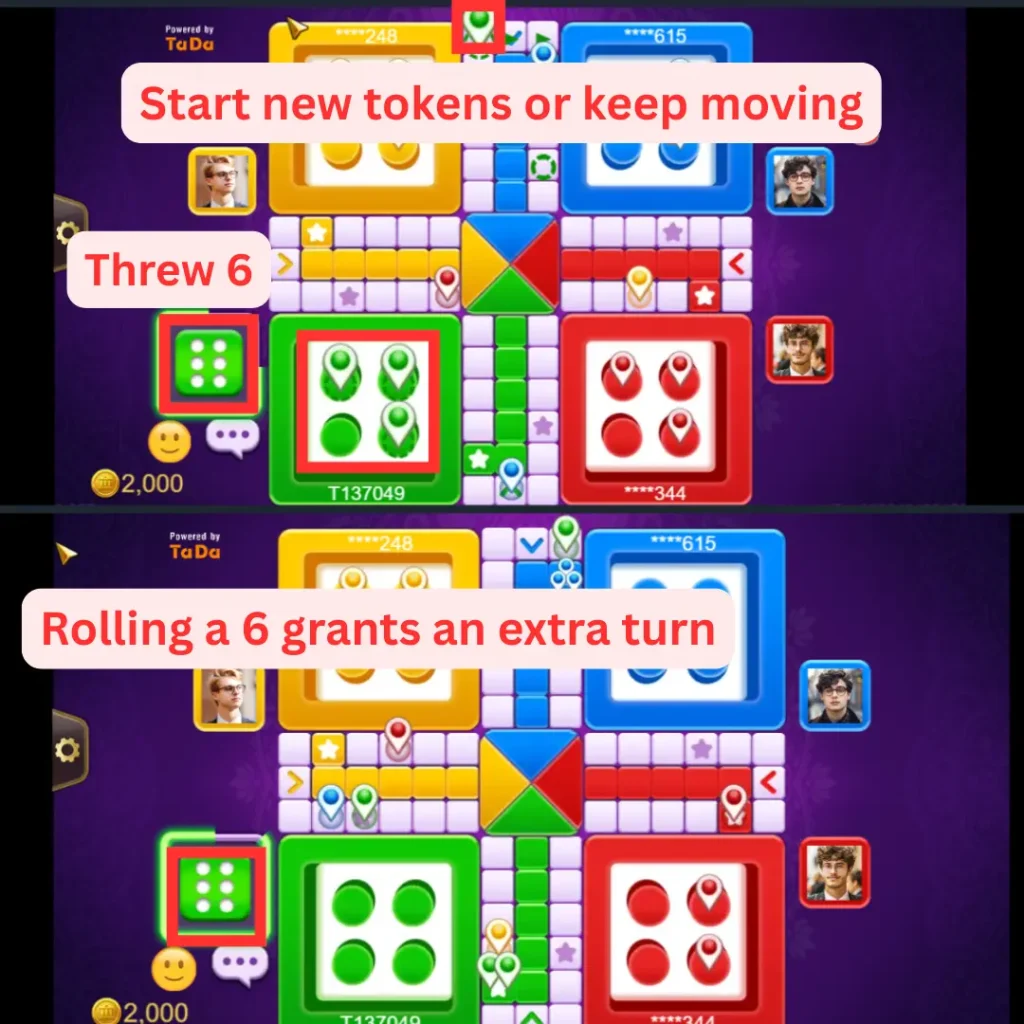
This rule creates opportunities for faster advancement and strategic decision-making.
Step 4: Completing a Full Circuit
To reach home, a token must:
- Leave the starting area
- Travel around the entire board
- Reach its home path
- Move through the home path
- Enter the final home space
Only after completing this journey is the token considered safe and finished.
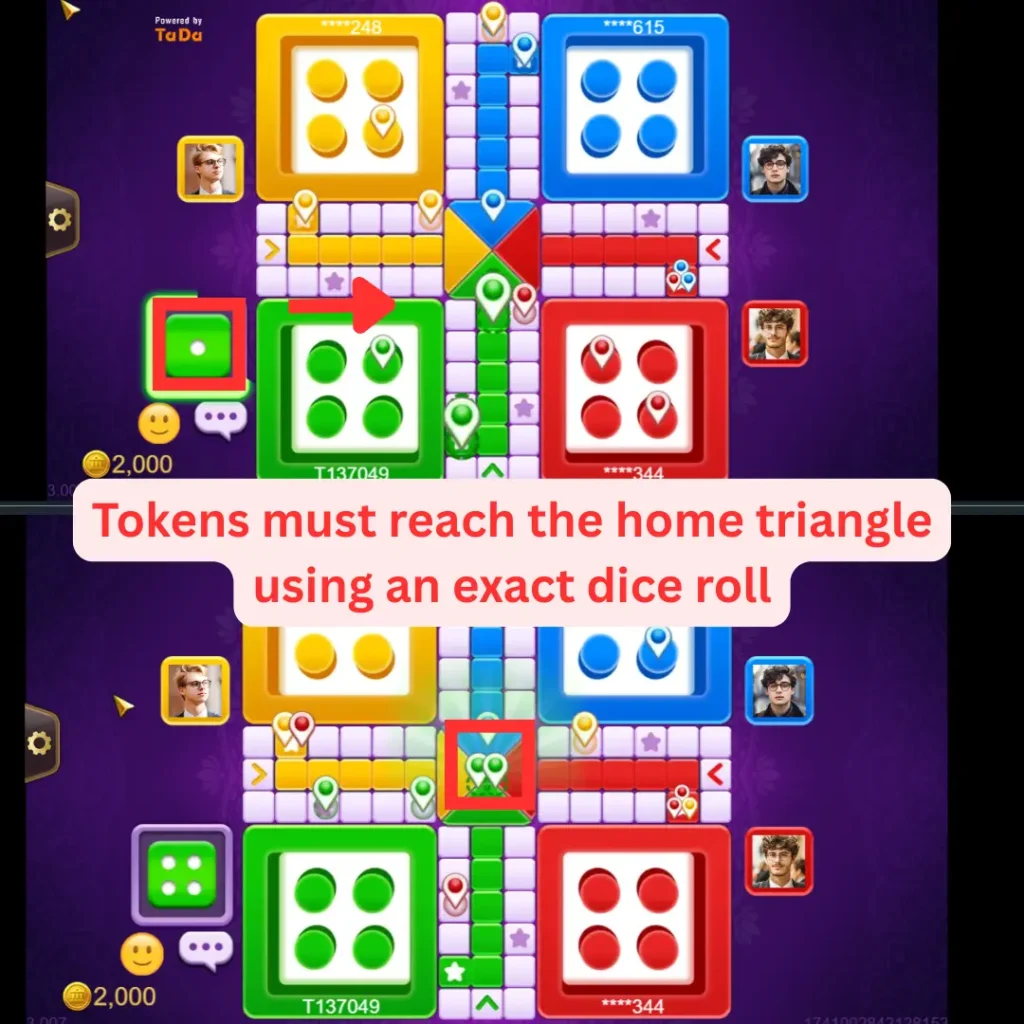
Step 5: Entering Home
- Most Ludo versions require an exact roll to move a token into the final home space.
- For example, if a token is three spaces away from home and the player rolls a 5, that token cannot move.
- This rule adds excitement and strategy to the endgame.
Step 6: Winning the Game
The first player to bring all four tokens into the home area wins the match.
Essential Ludo Rules and Regulations
Understanding the core rules is essential for successful gameplay.
| Rule | Description |
|---|---|
| Entry Rule | A player must roll a 6 to move a token from the starting area onto the board. |
| Movement Rule | Tokens move forward according to the exact number rolled on the die. |
| Exact Roll Rule | A token can only enter the home space if the player rolls the precise number required. |
| Extra Turn Rule | Rolling a 6 grants the player an additional turn. |
| Three Consecutive Sixes Rule | In some Ludo variations, rolling three consecutive 6s ends the player’s turn and may cancel any bonus movement. |
Rules may vary depending on the platform or version being played.
Captures, Safe Zones, and Blockades
Understanding captures, safe zones, and blockades is essential for improving your Ludo strategy. These mechanics can help you slow down opponents, protect your own tokens, and gain better control of the board.
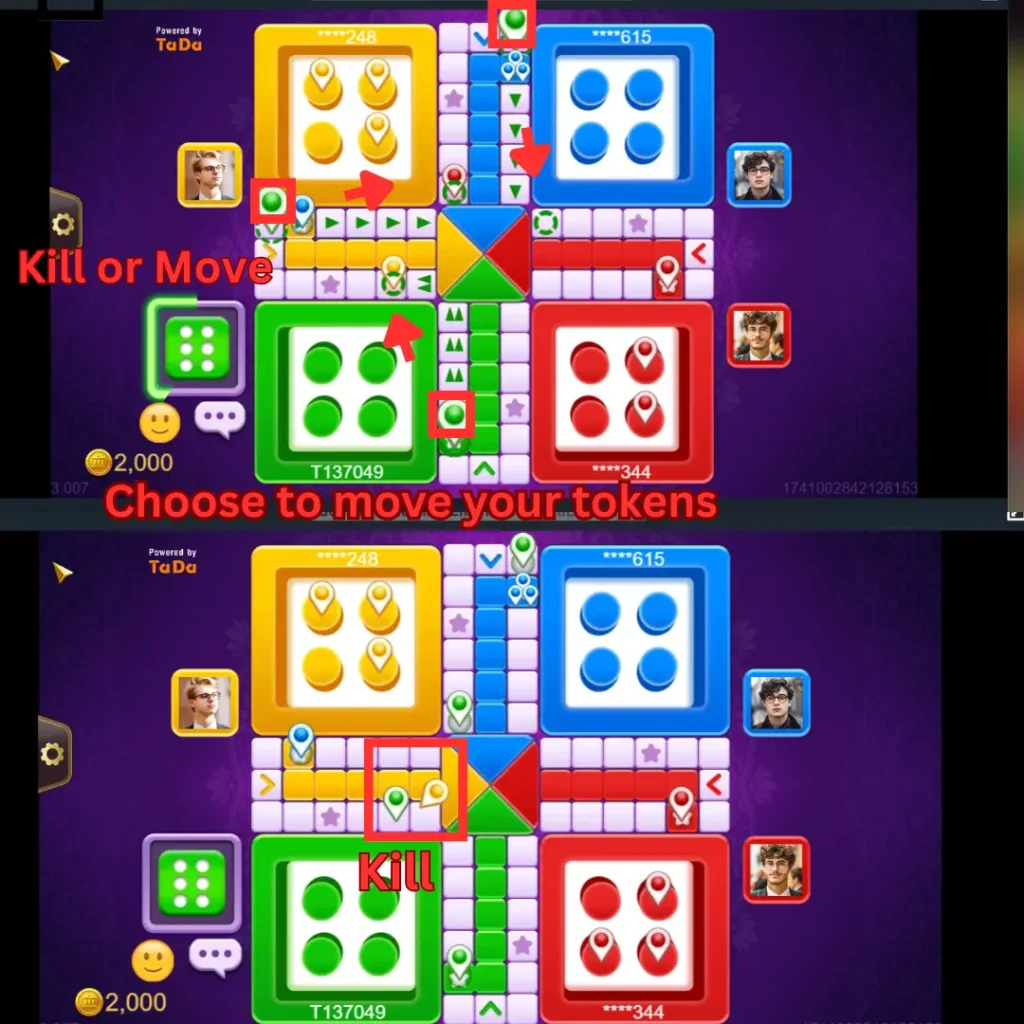
Capturing Opponent Tokens
One of the most exciting aspects of Ludo is the ability to capture opponents.
A capture occurs when your token lands directly on an opponent’s token occupying a regular square.
When a token is captured:
- The opponent’s token returns to its starting area.
- The opponent must roll a 6 to bring that token back into play.
Capturing opponents can significantly slow their progress while improving your chances of winning. However, aggressive play should be balanced with proper positioning and defense.
Safe Zones and Protected Spaces
Not every square on the board is vulnerable to attacks. Certain spaces function as safe zones where tokens cannot be captured.
Benefits of safe zones include:
- Protection from captures
- Temporary defensive positioning
- Reduced risk while waiting for favorable rolls
Many Ludo boards identify safe squares with special markings, such as stars. Additionally, home paths are generally protected areas where opponents cannot enter or capture your tokens.
Using safe zones effectively can prevent costly setbacks and help preserve advanced pieces.
Understanding Blockades
A blockade is formed when two tokens of the same color occupy the same square.
Blockades provide several strategic advantages:
- Preventing opponents from passing
- Controlling important sections of the board
- Slowing leading players
- Protecting advanced tokens
When used correctly, blockades can disrupt opponents’ plans and create strong defensive positions that influence the outcome of a match.
Beginner Ludo Strategies
Although luck plays a role, strategy often separates average players from successful ones.
Activate Multiple Tokens
Many beginners focus entirely on one token.
While this may seem efficient, it increases risk.
Maintaining multiple active tokens provides:
- More movement options
- Better board coverage
- Reduced reliance on a single piece
Use Safe Squares Wisely
Whenever possible, position valuable tokens on safe spaces.
Doing so minimizes the risk of being sent back to the start.
Watch Opponent Positions
Always monitor nearby opponent tokens.
Understanding potential attack ranges helps avoid unnecessary captures.
Balance Attack and Progress
Capturing opponents is valuable, but not every capture opportunity is worth taking.
Sometimes advancing toward home is the smarter long-term decision.
Advanced Ludo Strategies
As players gain experience, more sophisticated tactics become important.
Master Token Management
Strong players continuously evaluate which token offers the greatest strategic value.
Factors include:
- Distance to home
- Exposure to opponents
- Access to safe zones
- Potential capture opportunities
Control the Board
Positioning tokens across different sections of the board increases flexibility and influence.
This approach often creates more opportunities than concentrating all resources in one area.
Use Blockades Effectively
Blockades can disrupt opponents and create strong defensive positions.
However, poorly placed blockades may also restrict your own movement.
Timing is critical.
Understand Risk vs Reward
Every move involves trade-offs.
Players must constantly decide whether to:
- Attack
- Defend
- Advance
- Delay
Successful players evaluate both immediate gains and long-term consequences.
Improve Endgame Planning
The final stages of a Ludo match often determine the winner.
Focus on:
- Positioning tokens for exact rolls
- Avoiding unnecessary risks
- Prioritizing completion over aggressive attacks
A single mistake late in the game can erase significant progress.
Common Ludo Mistakes to Avoid
Many beginners repeatedly make the same errors.
- Relying on One Token: This strategy leaves players vulnerable if the token gets captured.
- Ignoring Safe Zones: Failing to use protected spaces increases unnecessary risk.
- Chasing Every Capture: Aggressive play without considering consequences often backfires.
- Delaying Token Activation: Keeping all tokens in the starting area limits strategic flexibility.
- Poor Endgame Decisions: Many players focus on attacking opponents instead of finishing their own tokens. Often, the fastest route to victory is simply reaching home.
Online Ludo vs Traditional Ludo
Modern technology has transformed how people play Ludo.
Traditional Ludo
Advantages include:
- Face-to-face interaction
- Physical board experience
- Social gatherings with friends and family
Online Ludo
Advantages include:
- Instant matchmaking
- Multiplayer modes
- Private rooms
- Mobile accessibility
- Faster gameplay
- Play anytime and anywhere
Online platforms may also include unique rule variations, tournaments, and additional features that enhance the overall experience.
Best Site to Play Online Ludo
For players interested in trying Ludo online, Dubai7 offers a user-friendly gaming platform with a wide selection of instant-win games, slots, live casino experiences, and sports betting markets.
The platform works smoothly on both desktop and mobile devices, letting players enjoy Ludo anytime, anywhere.
With secure payment options and a simple registration process, Dubai7 provides a convenient way to explore Ludo and other popular online games.
Roll the dice, race your tokens, and dominate the board on Dubai7.
Ludo FAQs
Frequently Asked Questions
The duration of a Ludo game depends on the number of players and their luck with dice rolls. Most matches last between 15 and 45 minutes, although longer games are possible.
Traditional Ludo is designed for two to four players. However, some online versions offer team modes or expanded formats that accommodate additional participants.
Ludo combines both luck and skill. Dice rolls are random, but strategic decisions such as token selection, positioning, and timing can significantly influence the outcome.
No. Each player is assigned a unique color and controls the four tokens associated with that color throughout the game.
If none of a player’s tokens can legally move based on the dice roll, their turn is skipped and play passes to the next player.
Not always. While the core gameplay remains similar, some board game editions and online platforms include unique rules, bonus turns, or special variations.
Standard Ludo games do not end in a tie. The winner is the first player to successfully bring all four tokens into the home area.
Ludo is easy to learn, requires minimal setup, and can be enjoyed by both children and adults, making it a popular choice for family gatherings.
Yes. Physical board versions do not require internet access, and many mobile apps also offer offline modes against computer-controlled opponents.
Regular play is the best way to improve. Observing opponent movements, planning ahead, and learning when to balance risk and caution can help players make better decisions over time.